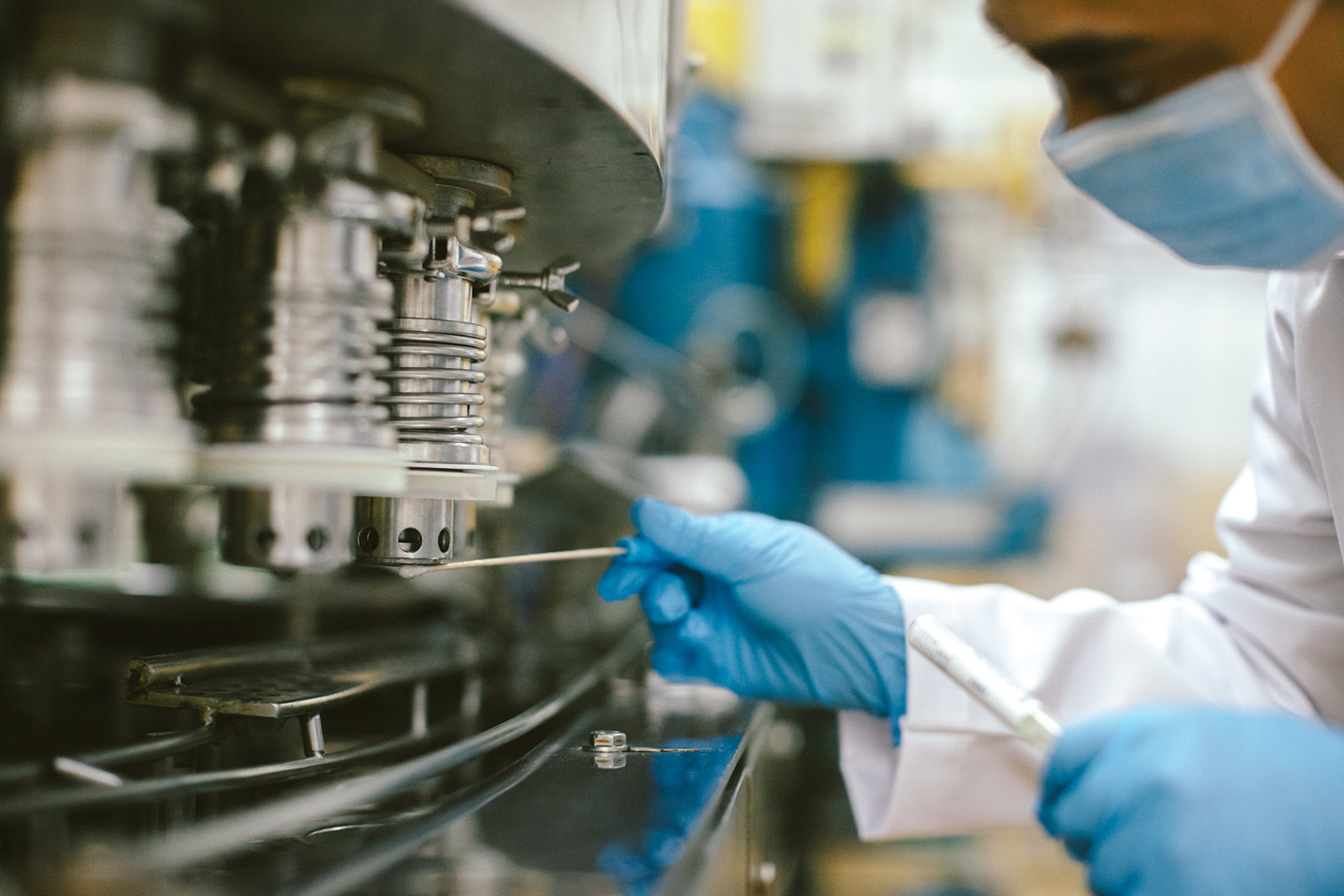
The pressure on food safety has changed and the old timelines no longer fit
Food systems are moving faster than ever. Ingredients cross borders routinely, production runs are longer and more automated, and consumers expect both convenience and transparency. At the same time, the microbial risks we manage have not gotten simpler. Pathogens such as Salmonella, Listeria monocytogenes, and pathogenic E. coli remain persistent threats, and the operational realities of modern processing such as high throughput, shared equipment, complex sanitation cycles, and frequent supplier changes create more opportunities for contamination to slip through.
What’s shifting most is the tolerance for delay. Traditional microbiology still has a critical place, but when results arrive after the product has shipped, the value of the test is mostly forensic. The industry is increasingly oriented toward “decision-time diagnostics”: assays that deliver actionable results quickly enough to hold, divert, rework, or intensify sanitation before the next lot is produced.
This is where rapid DNA-based testing is becoming foundational. Genomic tools do not replace good manufacturing practices or environmental monitoring programs, but they make them sharper, faster, and more defensible.
Why culture and conventional workflows can fall short in real operations
Culture-based methods are reliable, but speed is constrained by biology. Enrichment steps are often necessary to reach detectable levels, and confirmation can take additional time. Even when rapid immunoassays are used as screens, follow-up steps may be required to achieve the specificity that quality teams need for audits and root-cause work.
In day-to-day operations, delays create a cascade of costs: product hold time, cold storage capacity, production schedule disruptions, and the risk that a contamination source continues to seed the facility while teams wait for clarity. That gap between sampling and certainty is also where disagreements happen, between plants and suppliers, between QA and production, and sometimes between companies and regulators.
DNA-based diagnostics, particularly qPCR, address that gap by targeting organism-specific genetic signatures. When designed and validated well, they offer high specificity and sensitivity on timelines that align with operational decision-making.
What “rapid genomics” really means in food safety
Rapid genomics in food safety is less about novelty and more about translating molecular biology into routine workflows. For most food producers, the near-term value centers on targeted detection and confirmation rather than whole-genome sequencing of every isolate. qPCR is especially practical because it can identify pathogens from swabs, rinses, or enrichment broths quickly and quantitatively.
A well-built rapid testing program does three things at once. It detects contamination earlier, reduces uncertainty in release decisions, and strengthens root-cause investigations by generating consistent, traceable data over time.
The benefits show up in multiple parts of the operation.
- Faster results reduce the time product must be held while waiting for microbial clearance.
- Earlier detection helps sanitation teams intervene before contamination becomes a recurring harborage problem.
- High-specificity assays can lower the operational cost of false positives and ambiguous screens.
- Trendable genetic data improves environmental monitoring by revealing persistent zones and seasonal patterns.
The practical outcome is not simply “fewer positives.” It is a facility that can respond to microbial risk with the same speed and discipline it applies to throughput and yield.
Making “under an hour” meaningful: speed must connect to action
Rapid results are only valuable if they trigger rapid decisions. The most effective food safety programs connect DNA testing to predefined actions: intensified sanitation, targeted resampling, line shutdown, traffic-flow adjustments, or supplier holds. Genomics strengthens these programs when it is integrated as a decision tool, not used as an occasional add-on.
At Evolve, our rapid pathogen detection platform strategy captures that focus: tests that are not only accurate, but operationally relevant. When detection can happen in under an hour with high accuracy, the timing of intervention shifts. Instead of responding after product disposition, teams can respond while the situation is still small, localized, and cheaper to control.
Designing tests that work outside ideal conditions
Food matrices are messy. Fat, proteins, polyphenols, sanitizers, and biofilm residues can inhibit amplification and complicate sample preparation. Environmental swabs can contain mixed microbial communities where background DNA is abundant and target organisms are rare. This is why implementing molecular testing is not just about buying an instrument. It’s about assay design, sample handling, controls, and validation against the specific conditions of a facility.
A credible genomic workflow needs internal controls to detect inhibition, clear thresholds for action, and a plan for confirmatory testing when required. It also needs to be deployable by trained QA teams without turning every shift into a research project.
Sequencing’s growing role: not every day, but at the moments that matter most
While qPCR answers “is it here?”, sequencing can answer “what is it related to?” and “where might it have come from?” In investigations involving repeated positives, supplier disputes, or potential outbreaks, microbial genome sequencing provides resolution that conventional typing often cannot. Whole-genome sequencing can support source tracking, differentiate closely related strains, and strengthen the evidence chain during audits and regulatory engagement.
This is not an argument for sequencing everything. It is an argument for having sequencing ready when patterns emerge and the cost of uncertainty becomes high. Our Evolve M-Genome™ supports microbial genome sequencing needs that help food safety teams and their partners move from detection to understanding, especially when an operation needs to distinguish between a one-time contamination event and a persistent strain establishing itself in the environment.
A forward-looking view: food safety as a shared genomic infrastructure
The next phase of food safety will look less like isolated testing and more like connected intelligence. As more producers adopt standardized molecular methods, data becomes comparable across time, facilities, and supply chains. That opens the door to better benchmarking, earlier warning signals, and more targeted preventive controls, without increasing blanket chemical interventions or overusing antimicrobials.
Getting there will require collaboration: processors sharing best practices with suppliers, labs aligning on validation standards, and technology providers building tools that respect the realities of cost, training, and throughput. The promise of practical genomics is not a futuristic lab, it is a food system where high-confidence microbial answers arrive fast enough to prevent harm.
Evolve Genomix is building toward that future by making DNA-based diagnostics and sequencing more accessible to the teams who safeguard our food every day, turning genomic precision into routine, field-ready decision support across the farm-to-fork continuum.